
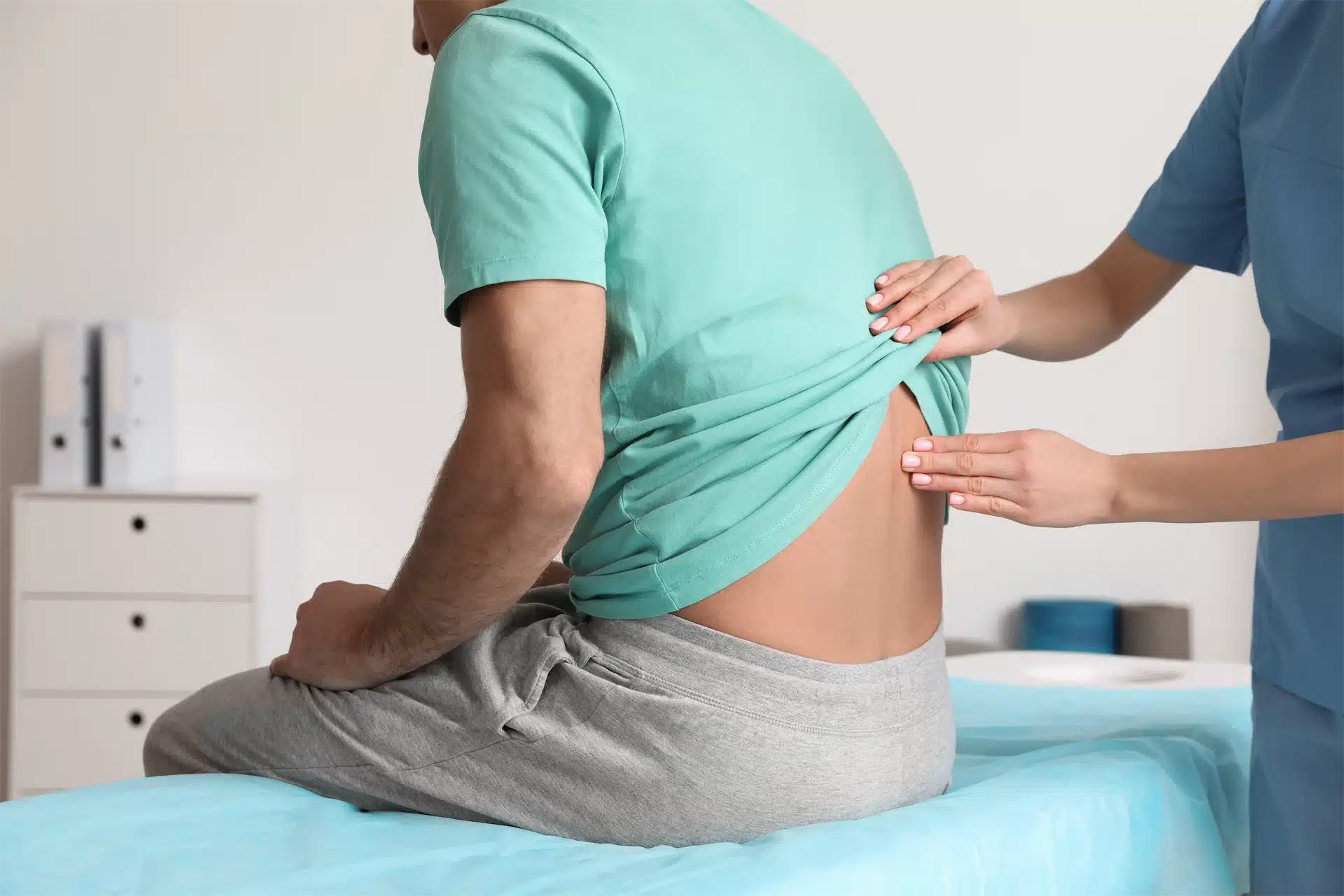
If you’ve been living with sciatica, you’ve likely tried everything from stretching and over-the-counter pain relievers to heating pads and massage. While these approaches may provide temporary comfort, many people find that the pain eventually returns because the underlying cause hasn’t been addressed.
As more people look for natural alternatives to surgery and long-term medication, spinal decompression therapy has become a topic of growing interest. This non-invasive treatment is designed to reduce pressure on irritated spinal discs and nerves, helping some patients find lasting relief while supporting the body’s natural healing process.
If you’re wondering why spinal decompression is becoming a popular option for sciatica, here’s what you should know.
Why Is Sciatica So Difficult to Get Rid Of?
Sciatica isn’t actually a condition itself. It’s a symptom that occurs when the sciatic nerve becomes irritated or compressed, often because of a problem within the spine.
Common causes include:
- Herniated discs
- Bulging discs
- Degenerative disc disease
- Spinal stenosis
- Bone spurs
- Age-related spinal changes
Because several different conditions can cause sciatica, treatments that only focus on relieving pain may not resolve the source of the problem. That’s one reason symptoms often return after temporary relief.
Why Are More People Looking Beyond Pain Medication?
Medication certainly has its place in pain management, especially during severe flare-ups. However, many people want solutions that do more than temporarily reduce discomfort.
People often begin exploring natural treatment options because they hope to:
- Avoid surgery if possible
- Reduce dependence on pain medication
- Improve mobility
- Stay active
- Address the underlying cause of their symptoms
Rather than simply managing pain, these individuals are looking for treatments that support long-term spinal health.
What Makes Spinal Decompression Different?
Unlike treatments that primarily focus on symptom management, spinal decompression therapy is designed to reduce pressure on the spinal discs and nerves that may be contributing to sciatica.
During treatment, a specialized decompression table gently stretches the spine in carefully controlled movements. This process creates negative pressure within the affected discs, which may help relieve compression on nearby nerves while encouraging the movement of oxygen, nutrients, and fluids into damaged disc tissue.
For patients whose sciatica is related to herniated or bulging discs, this approach may provide a conservative alternative before considering more invasive treatment options.
What Does Current Research Suggest?
Research on spinal decompression therapy continues to evolve, but many studies suggest it may help reduce pain and improve function for certain patients with disc-related spinal conditions.
Like many conservative treatments, results vary depending on factors such as:
- The underlying cause of sciatica
- The severity of nerve compression
- Overall spinal health
- Consistency with the recommended treatment plan
Because every patient’s condition is different, a thorough evaluation is essential to determine whether spinal decompression is an appropriate option.
Is Spinal Decompression Right for Everyone?
Although spinal decompression therapy may benefit many people, it is not the right treatment for every case of sciatica.
A healthcare provider will consider several factors before recommending treatment, including:
- Your diagnosis
- Medical history
- Severity of symptoms
- Overall health
- Previous treatments you’ve tried
This personalized approach helps ensure that patients receive care tailored to their specific condition rather than a one-size-fits-all solution.
Can Lifestyle Changes Help Alongside Treatment?
While professional care may be necessary for some cases of sciatica, healthy daily habits can also play an important role in managing symptoms and supporting recovery.
Depending on your condition, your provider may recommend:
- Regular movement and walking
- Stretching exercises
- Improved posture
- Ergonomic adjustments at work
- Core strengthening exercises
- Maintaining a healthy weight
These habits may help reduce strain on the spine and complement a personalized treatment plan.
When Should You Consider Seeing a Professional?
Occasional back discomfort isn’t unusual, but persistent sciatic pain shouldn’t be ignored. If symptoms continue for several weeks, interfere with daily activities, or include numbness or weakness in the leg, it’s a good idea to seek a professional evaluation.
At Clanahan Wellness Center, we help patients understand the underlying cause of their pain before recommending treatment. Depending on your diagnosis, spinal decompression therapy may be part of a personalized, non-surgical treatment plan designed to improve spinal function and support long-term wellness.
Frequently Asked Questions
Can sciatica go away naturally?
Some mild cases improve with time and conservative care, but symptoms caused by ongoing nerve compression may require professional treatment.
Is walking good for sciatica?
For many people, gentle walking can help maintain mobility and reduce stiffness. However, activity should be based on your symptoms and your healthcare provider’s recommendations.
Does spinal decompression work for herniated discs?
Spinal decompression therapy is commonly used for disc-related conditions, including herniated and bulging discs, when appropriate for the patient’s diagnosis.
How long does spinal decompression therapy take?
Treatment plans vary depending on the individual’s condition. Your provider will recommend a schedule based on your symptoms and treatment goals.
Can spinal decompression help prevent surgery?
For some patients, spinal decompression may provide meaningful relief without surgery. However, every case is different, and a professional evaluation is necessary to determine the most appropriate treatment.
The Bottom Line
Sciatica can have many different causes, which is why there isn’t a single solution that works for everyone. As more people search for natural ways to relieve pain without relying on surgery or long-term medication, spinal decompression therapy continues to gain attention as a conservative treatment option for certain spinal conditions.
The first step toward lasting relief is identifying what’s causing your symptoms. At Clanahan Wellness Center, our team provides comprehensive evaluations and personalized treatment plans to help patients make informed decisions about their spinal health. If you’re looking for a non-surgical approach to managing sciatica, contact us now and we’ll help you explore your options.